Free, no signup. Plan a bed: the plants that suit one spot, when to plant them, and the supplies it needs, worked out from its size.
Turn one spot in your yard into a plan.
Pick the spot, give us its size and what you want from it. We put together plants that suit it and cover the season, say when to plant each and how to buy it, and work out what the bed needs.
Your 8 by 4 ft raised bed full sun / even
No ZIP yet, so every plant here is shown whatever your winters.
5 kinds of plant that thrive in this spot, chosen for pollinators, together in season from spring to fall. How many of each fits is on the plant tag: our sources give sun, water and hardiness, not spacing.
Some plants below link to seed searches on Amazon. As an Amazon Associate, plantsbythebook earns from qualifying purchases. The links below are affiliate links -- they cost you nothing extra.
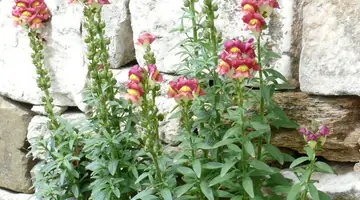
Photo: User:Haplochromis, CC BY 2.5 Snapdragon Antirrhinum majusBuy as: seed.Plant: Cool-season: start seed indoors 8-10 weeks before the last frost, then transplant 2-3 weeks before the last spring frost (frost-hardy)Edible parts: Flowers only -- edible but bitter, used as a garnish.Source: plants.ces.ncsu.edu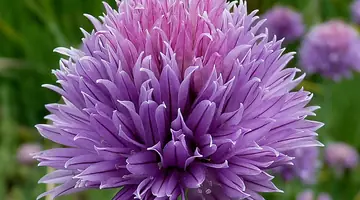
Photo: Jamain, CC BY-SA 3.0 Chives Allium schoenoprasumBuy as: seed.Plant: Sow indoors 8-10 weeks before last frost, or direct sow/transplant after the last spring frost; a cold-tolerant perennial whose growth resumes in early springEdible parts: Our cited source documents this plant's hardiness zone and planting calendar, not which parts are edible or how to prepare them. Confirm the edible part and its preparation against a source that states it before eating any of it.Source: hort.extension.wisc.edu- no verified photoShasta Daisy Leucanthemum x superbumBuy as: a plant, from a local nursery: it travels badly, and the nursery knows what overwinters near you.Plant: Plant in spring after the last frost (or early fall); blooms spring through summerSource: plants.ces.ncsu.edu
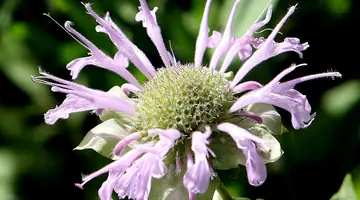
Photo: Wikimedia Commons (Hardyplants at English Wikipedia) Wild Bergamot Monarda fistulosaBuy as: a plant, from a local nursery: it travels badly, and the nursery knows what overwinters near you.Plant: Sow seed outdoors in fall or cold-stratify and sow in spring; set out plants in spring after the last frost. Space for airflow to limit mildew. Blooms June-September.Edible parts: Aromatic leaves, used in teas.Source: plants.ces.ncsu.edu- no verified photoPansy Viola x wittrockianaBuy as: seed.Plant: Cool-season: plant in fall for winter/early-spring bloom, or set out 4-6 weeks before the last spring frostEdible parts: Flowers.Source: plants.ces.ncsu.edu
Bloom for flowers, harvest for herbs and vegetables, by season as our sources give it (spring = March to May, and so on); your own dates move with your frost dates.
Supplies for this bed Raised beds · full sun / even
A bed is the one spot where you choose the soil. For a 8 by 4 ft bed, 10 inches deep:
As an Amazon Associate, plantsbythebook earns from qualifying purchases. The links below are affiliate links -- they cost you nothing extra.
- The bed itself, 8 by 4 ftOne 4x8 bed, or the nearest size you can find.A bed holds a mix you choose, so the ground underneath stops deciding what grows.
- Galvanized steel bed on AmazonOutlasts wood; the metal warms in full sun.
- Cedar bed on AmazonNatural wood that resists rot better than pine.
- Fabric grow bed on AmazonA low-cost way to try a bed for a season or two; it folds away.
- Raised bed soil8 x 4 ft x 10 in = about 27 cubic feet: 18 bags of 1.5 cubic feet (or 14 of 2).A bed needs volume, and most people buy too little: fill to the top, it settles.
- Bagged raised bed soil mix on Amazon
- A bulk garden soil blend localFrom a local landscape yard, delivered: worth pricing for a big bed.
- Water at the rootOne kit per bed; measure the run along your rows before you buy.A bed above ground dries out faster than the soil around it.
- Raised bed drip kit on AmazonLine and emitters sized for a bed or two.
- Soaker hose on AmazonThe simplest version: snake it between the rows.
- Spacing and how many of each. Follow the plant tag. Our sources give each plant's sun, water and hardiness, not its spread, so we do not print a count or a layout.
- Your soil. A soil test from your county extension office says what to add better than any bag on this page.
- Your frost and your microclimate. The frost dates are approximate for a whole zone; a low spot, a wall or a slope shifts them.
- Where to buy the plants. Perennials and shrubs: a local nursery. They travel badly by mail, and the nursery knows what overwinters near you.
Before you plant. Fit scores are a guide, not a guarantee -- they come from each plant's sourced sun, water and hardiness-zone needs matched to the spot you picked, and cannot know your exact soil, microclimate or a late frost. Confirm your USDA zone at planthardiness.ars.usda.gov.
This is not plant-identification or foraging guidance. Never eat a plant you have not positively identified -- misidentification can be fatal. An "edible" tag means a food crop you can choose to grow, never a foraging or preparation instruction. We flag toxicity to pets or children only where an ASPCA-grade source is cited; where none is shown, treat nothing here as evidence a plant is safe around them, and check the ASPCA toxic-plant list. We give no veterinary or medical advice.